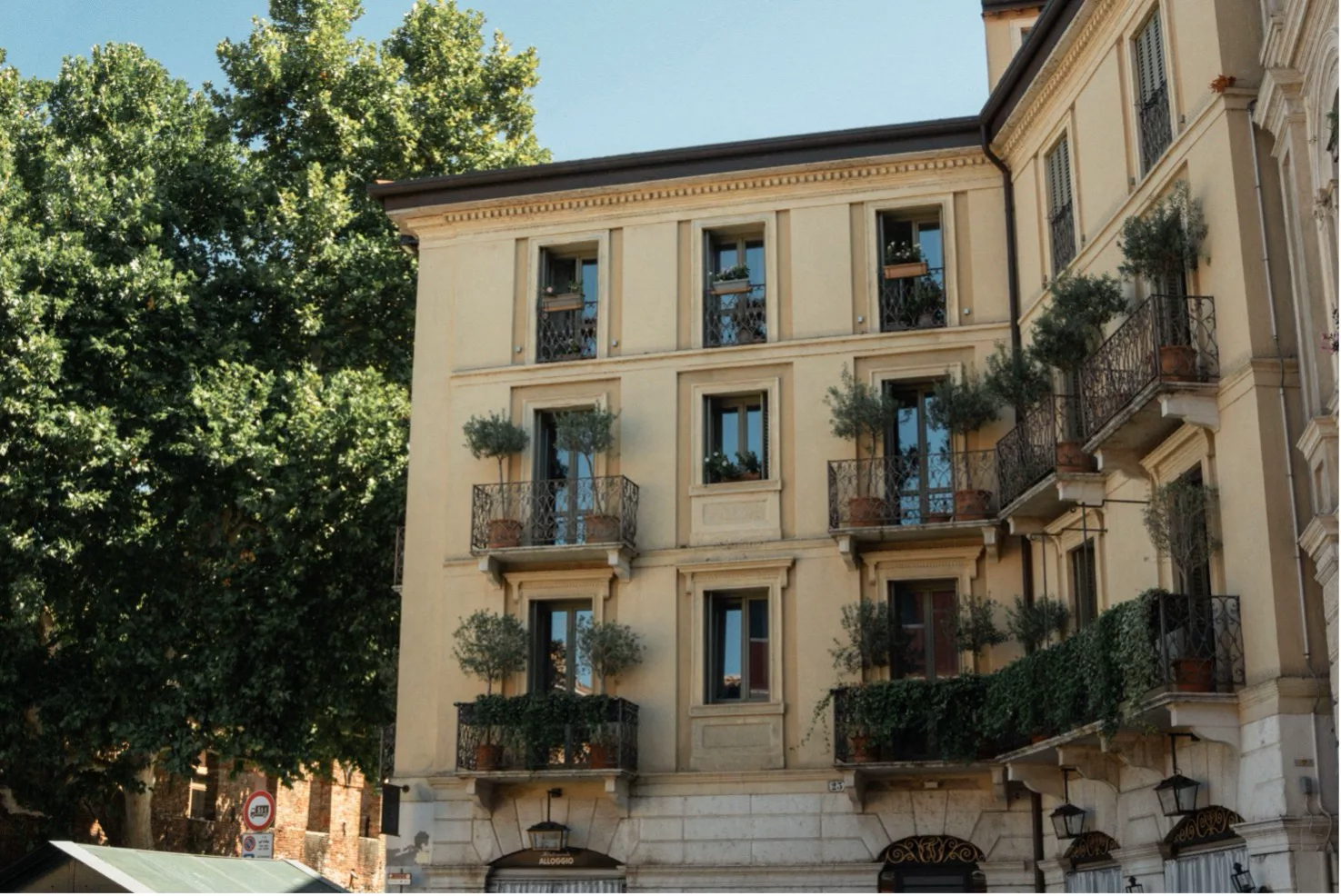

Italy is full of properties that can capture a buyer's imagination. From stone farmhouses surrounded by olive groves to sea-view apartments and historic townhouses, it's easy to fall in love with a home at first sight. Yet some of the most important aspects of a property are not immediately visible in a listing or even during a viewing.
A successful purchase requires balancing emotion with careful evaluation. Understanding the building, the location, and the property's documentation can help you identify potential issues early and avoid costly surprises later on. Understanding the local market can also help put individual properties into context. For a broader overview, see our article on the Italian housing market.
Before the Viewing: Gathering Key Information
Before arranging a viewing, try to gather as much information as possible about the property and, where applicable, the building it belongs to.
If the home is part of a condominium, ask about annual condominium fees and whether major works have already been approved or are expected in the near future. A property that appears attractively priced can become significantly more expensive if owners are about to contribute toward a new roof, façade restoration, elevator replacement, or other substantial works. Understanding the building's condition early can help you avoid surprises and decide whether a viewing is worthwhile.
It's also useful to learn how long the property has been on the market, whether it has been renovated recently, and whether it is currently occupied. The answers can provide valuable context and help identify areas that deserve closer attention during the visit.
Before you arrive, spend some time evaluating the surrounding area. A listing may focus heavily on the home itself, but location is often what determines long-term satisfaction. Check how far the property is from airports, train stations, supermarkets, healthcare facilities, and other services that matter to you. A countryside retreat may look idyllic online, but daily life can feel very different if basic services require a long drive. Likewise, a lively seaside town in August can feel significantly quieter during the winter months.

During the Viewing: Looking Beyond First Impressions
When you arrive for a viewing, try to balance emotion with practicality. One of the most common mistakes buyers make is allowing first impressions to outweigh practical considerations. A house that seems perfect on a sunny afternoon may reveal different challenges during the rainy season, in winter, or during periods of peak tourism. Rather than asking yourself whether you could enjoy a week there, ask whether the property supports the way you realistically intend to use it, whether that means occasional vacations, extended stays, remote work, or rental income.
As you walk through the property, pay close attention to its overall condition. Italy's housing stock includes many older buildings with great character, but age often brings maintenance considerations that are not immediately obvious. Look beyond furniture, décor, and cosmetic finishes. Fresh paint and attractive staging can create an excellent first impression, yet they don't tell you much about the condition of the roof, heating system, windows, plumbing, or structure.
Energy performance is another important consideration when evaluating an Italian property. ENEA provides guidance on the Attestato di Prestazione Energetica (APE), which provides information about a building's energy performance and potential improvements.
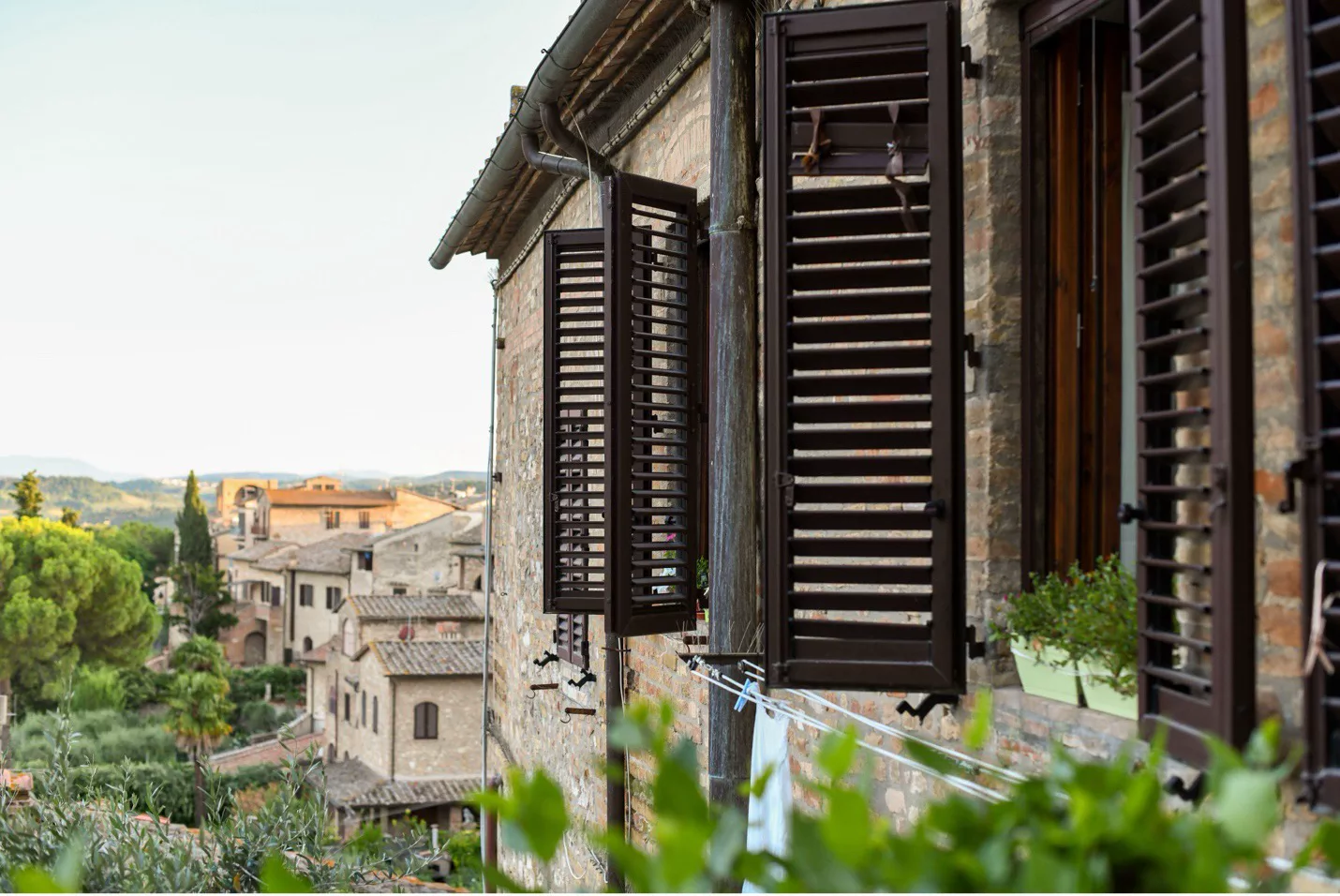
Windows deserve particular attention. Beyond their condition, consider whether they provide enough natural light for the spaces they serve. In Italy, habitable rooms are generally expected to comply with minimum natural light and ventilation standards. Rooms with unusually small windows relative to their size may therefore deserve a closer look. This situation is sometimes encountered in properties that have been renovated, subdivided, or converted over the years. A space presented as a bedroom or living room may look attractive, but insufficient natural light can affect both comfort and, in some cases, compliance with residential requirements.
Buyers should also pay close attention to how spaces are described and used. It is not uncommon to find lower-ground or basement levels furnished as bedrooms, offices, or living rooms. While these spaces may appear perfectly functional, what matters is how they are officially classified. A room presented as a bedroom may, on paper, be registered as a storage room, cellar, garage, or other non-habitable space. Experienced buyers quickly learn to evaluate two different properties: the property they see in front of them, and the property that exists on paper. Ideally, the two should match.
Reviewing floor plans, cadastral documentation, and available property information before making an offer can help uncover potential issues early in the process. At Dolce Living, we assist buyers in gathering and reviewing this documentation so that potential concerns can be identified before they become costly surprises.

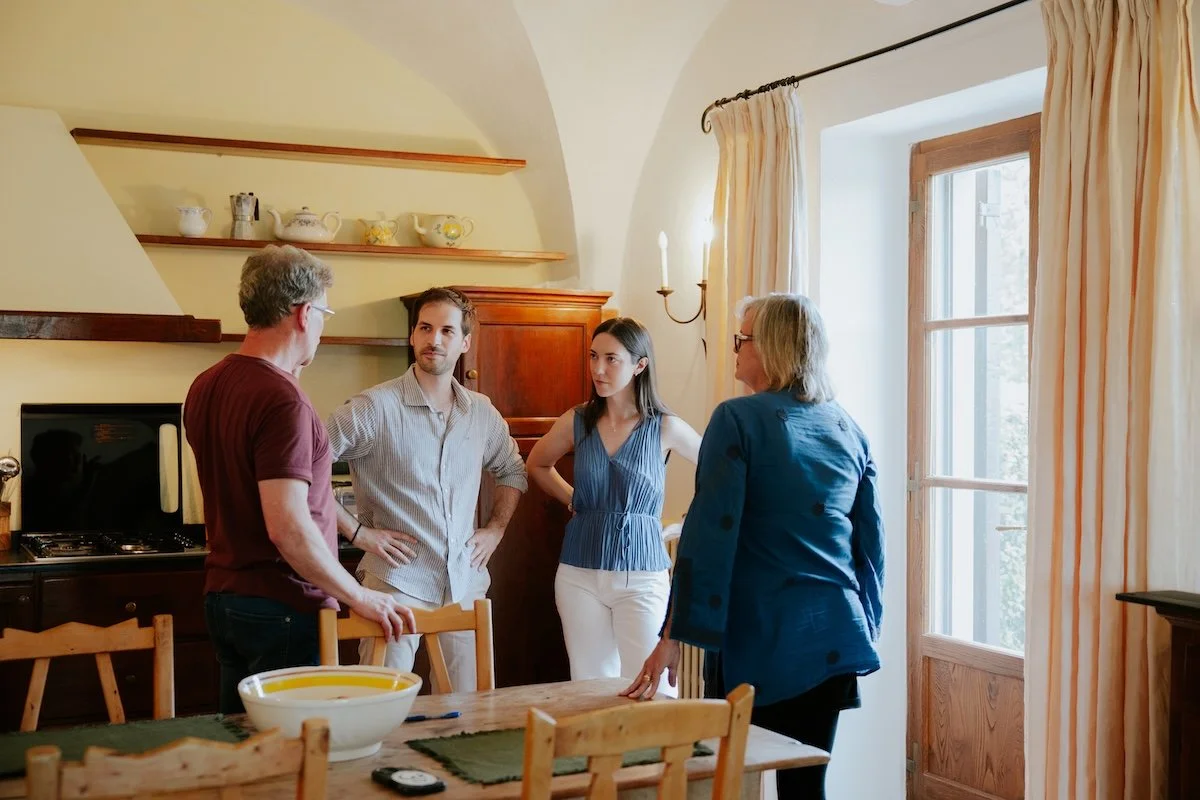
The surrounding environment deserves just as much attention as the home itself. Take time to observe neighboring properties, road access, parking availability, noise levels, and the overall character of the area. If you plan to work remotely, verify internet service and speeds rather than assuming connectivity will meet your needs. We often recommend that our clients return to the property a few hours after their initial viewing, ideally in the evening. A neighborhood can feel very different at different times of day, and a second visit can help confirm that the atmosphere and surroundings are truly the right fit.
It is also important to maintain realistic expectations. An exceptionally low asking price is not always a hidden opportunity, while a beautifully renovated property is not necessarily free of issues. One of the most common mistakes buyers make is assuming that visual appeal guarantees that everything is in order. In reality, appearance and compliance are often two very different things.
A viewing should help you decide whether a property deserves further investigation.
It's also worth remembering that the purchase price is only one part of the overall investment. Before making an offer, make sure you are familiar with the additional costs of purchasing property in Italy.
Final Thoughts
If you'd like expert guidance throughout the search process, Dolce Living can help you connect with listing agents, coordinate viewings, perform thorough due diligence, and evaluate opportunities objectively. Our goal is simple: to help you find the right property and avoid costly surprises along the way. Get in touch to learn more.