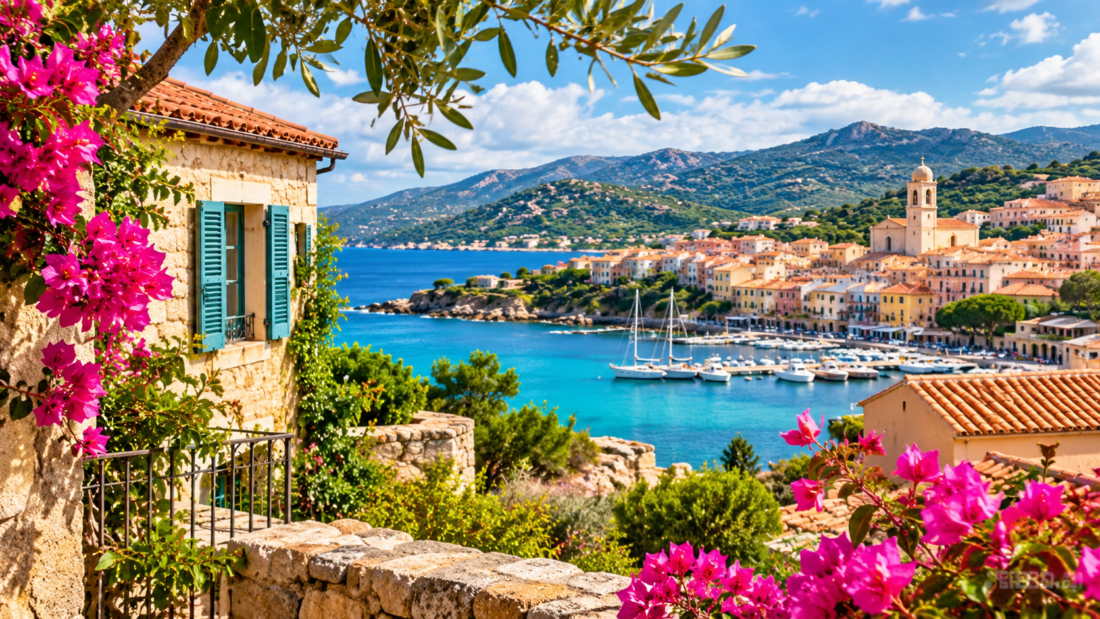
From the turquoise waters of the Costa Smeralda to the historic streets of Cagliari and the quieter villages of the island’s interior, Sardinia offers a diverse property market shaped by its coastline, culture, and distinctive Mediterranean lifestyle. Buyers can choose between luxury seaside villas, contemporary apartments, traditional stone homes, and countryside properties surrounded by olive groves and rugged landscapes.
Sardinia appeals to international buyers seeking a second home, a potential relocation destination, or a property with seasonal rental possibilities. However, prices vary considerably by location. The island’s internationally recognized coastal destinations command substantial premiums, while many inland areas remain more accessible.
According to September 2026 market data from Immobiliare.it, average residential asking prices across Sardinia reached approximately €2,500 per m², representing a 3.5% increase compared with September 2025. These figures reflect advertised prices rather than completed sale prices, and individual properties can differ significantly depending on location, condition, and proximity to the sea.
Provincial and Regional Market Overview
Cagliari and Southern Sardinia
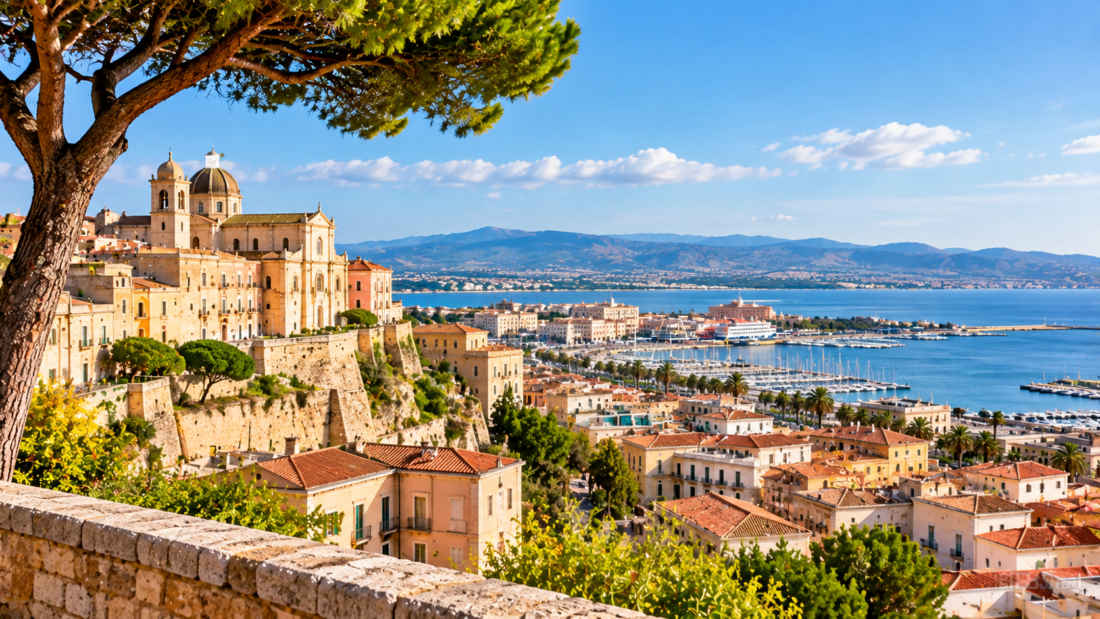
Average asking prices in the province of Cagliari stood at approximately €2,300 per m² in September 2026. The regional capital combines urban amenities, a historic center, waterfront neighborhoods, and access to southern Sardinia’s beaches.
Cagliari is worth considering for buyers who want more than a seasonal retreat. Its shops, restaurants, healthcare services, cultural attractions, and transport connections support year-round living. Nearby coastal destinations provide additional options for buyers seeking a quieter residential setting without moving too far from the city.
Further west and southwest, areas around Sulcis Iglesiente offer a different market, with average asking prices of approximately €1,350 per m². This part of Sardinia includes coastal communities, historic towns, and less internationally prominent destinations that may appeal to buyers looking for more space or a slower pace of life.
Gallura and Northeast Sardinia
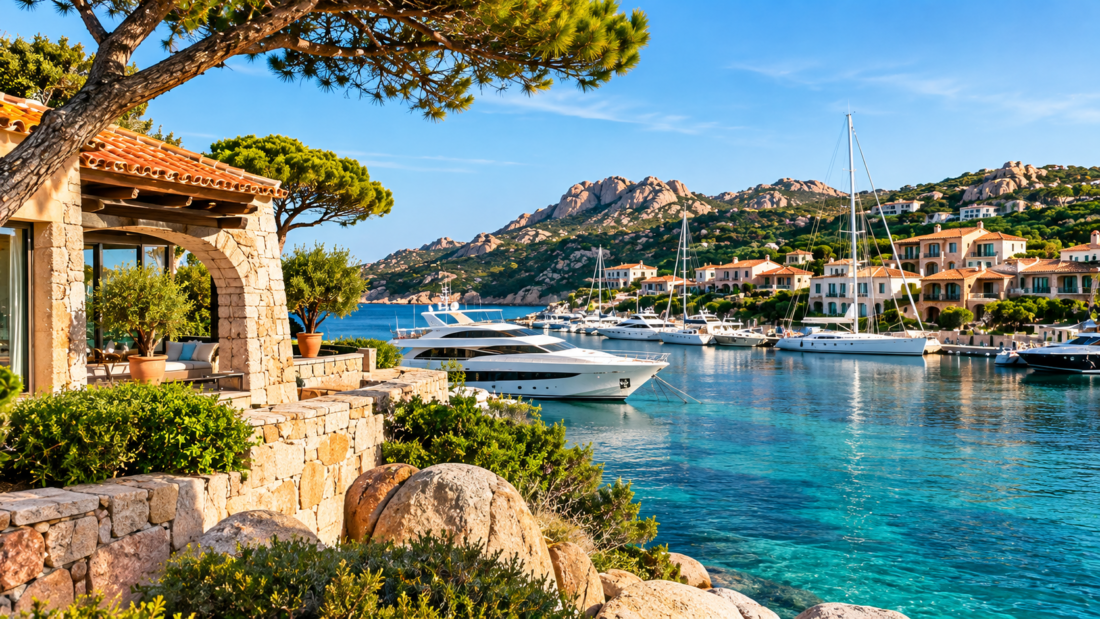
Gallura Nord-Est Sardegna recorded the island’s highest regional market average in September 2026, at approximately €3,850 per m². The area includes some of Sardinia’s most sought-after coastal destinations, where international demand and limited availability contribute to premium pricing.
Porto Cervo, the Costa Smeralda, and surrounding communities are particularly associated with luxury villas, marina-side apartments, and exclusive holiday properties. Buyers seeking privacy, sea views, boating access, or a high-end second home will find a range of properties in this market, although prime locations can command prices well above the regional average.
Olbia is another important destination in northeast Sardinia. Its airport, ferry connections, commercial services, and residential neighborhoods make it a practical base for buyers who want convenient access to the coast. Prices vary significantly between the city, nearby residential areas, and exclusive resort communities.
Sassari and Northwest Sardinia
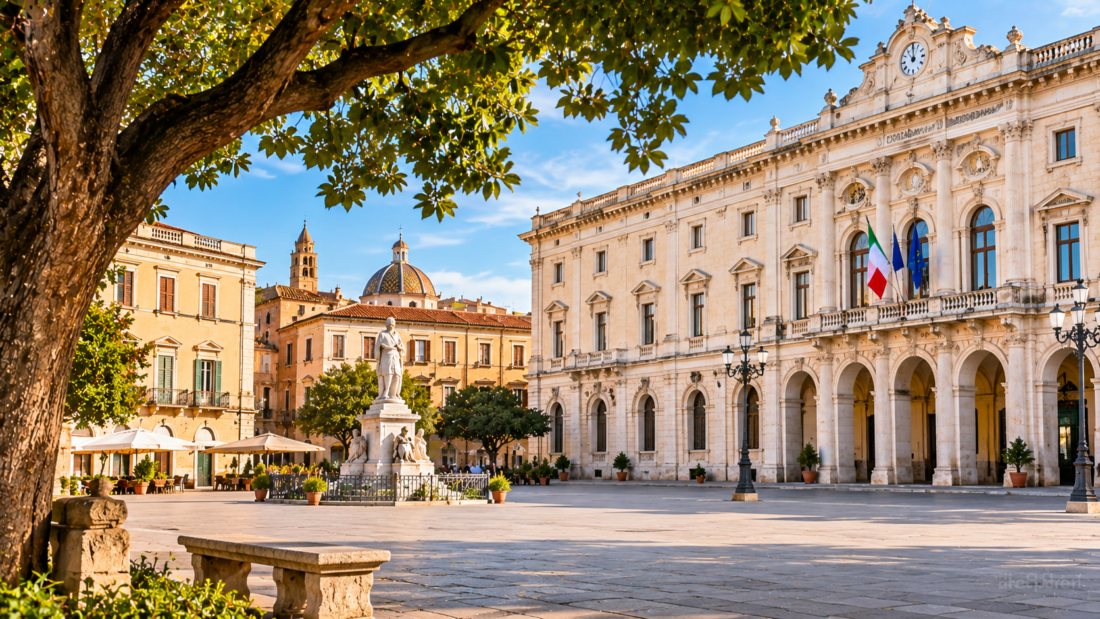
The province of Sassari recorded average asking prices of approximately €1,900 per m² in September 2026. Its property market encompasses a broad range of settings, from established urban neighborhoods to coastal towns and rural communities.
Alghero is particularly attractive to international buyers thanks to its historic center, waterfront setting, Catalan cultural influences, and access to an international airport. Properties within the old town and desirable coastal areas may command higher prices than the provincial average.
Other parts of northwest Sardinia offer alternatives for buyers who prefer a smaller town or a less resort-oriented environment. Comparing individual communities is important, as access to services, transport, beaches, and year-round amenities can vary considerably.
Nuoro and the Eastern Interior
With average asking prices of approximately €1,450 per m² in September 2026, Nuoro offers a different perspective on the Sardinian property market. The area is known for its cultural traditions, mountainous landscapes, and access to the island’s interior.
Buyers can explore traditional townhouses, village properties, and homes near natural landscapes. Coastal communities within the wider area, including destinations along the eastern coast, can have different pricing patterns from inland towns.
Buyers who prioritize privacy, outdoor activities, and a strong connection to local culture over proximity to major resort areas may want to explore this part of Sardinia.
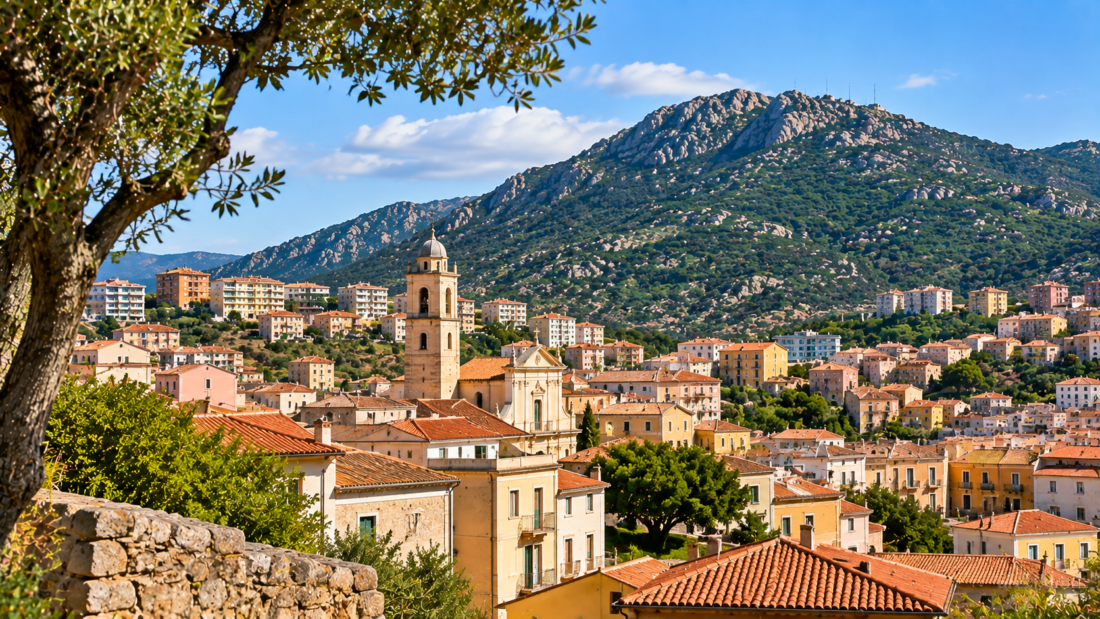
Oristano and the Western Coast
Average asking prices in the province of Oristano were approximately €1,100 per m² in September 2026. The region combines historic towns, agricultural landscapes, lagoons, and coastal destinations that are generally less internationally prominent than the Costa Smeralda.
Oristano provides access to everyday services and nearby beaches, while the surrounding countryside offers opportunities to explore traditional homes and properties with more land. Buyers looking for a coastal lifestyle without focusing exclusively on luxury resort markets may find this area appealing.
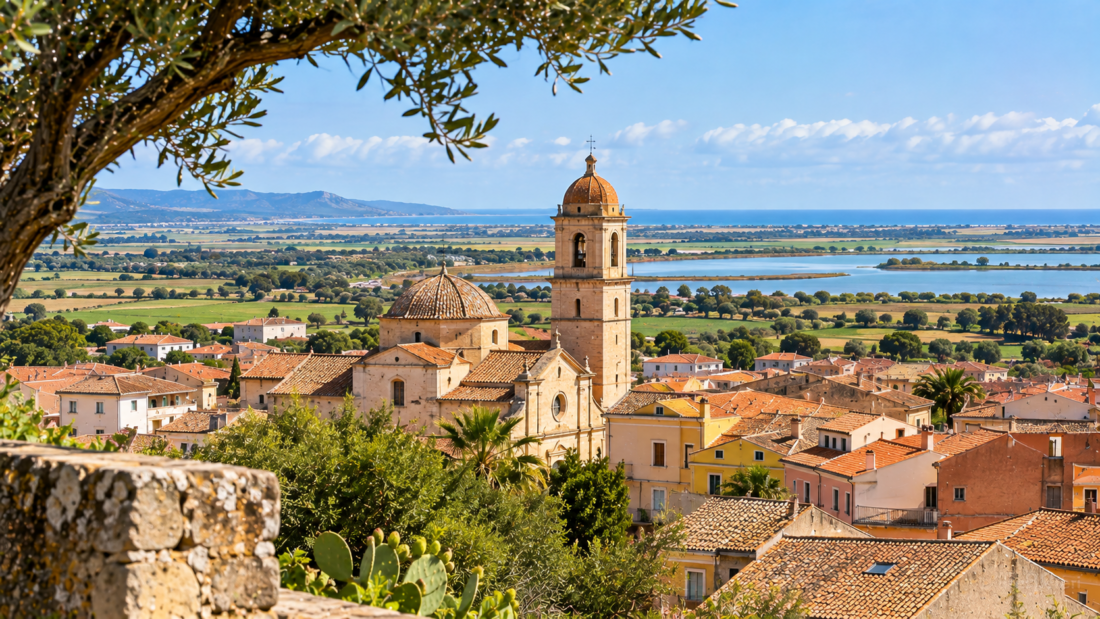
Ogliastra and the Central-Eastern Coast
Ogliastra recorded average asking prices of approximately €1,600 per m² in September 2026. Known for its rugged coastline, mountains, and outdoor recreation, the area offers a mix of seaside communities and inland villages.
Properties here may appeal to buyers seeking a quieter second home or a base for hiking, swimming, and exploring Sardinia’s natural landscapes. As with other less densely developed parts of the island, buyers should consider access to healthcare, shops, transport, and services outside the main tourist season.
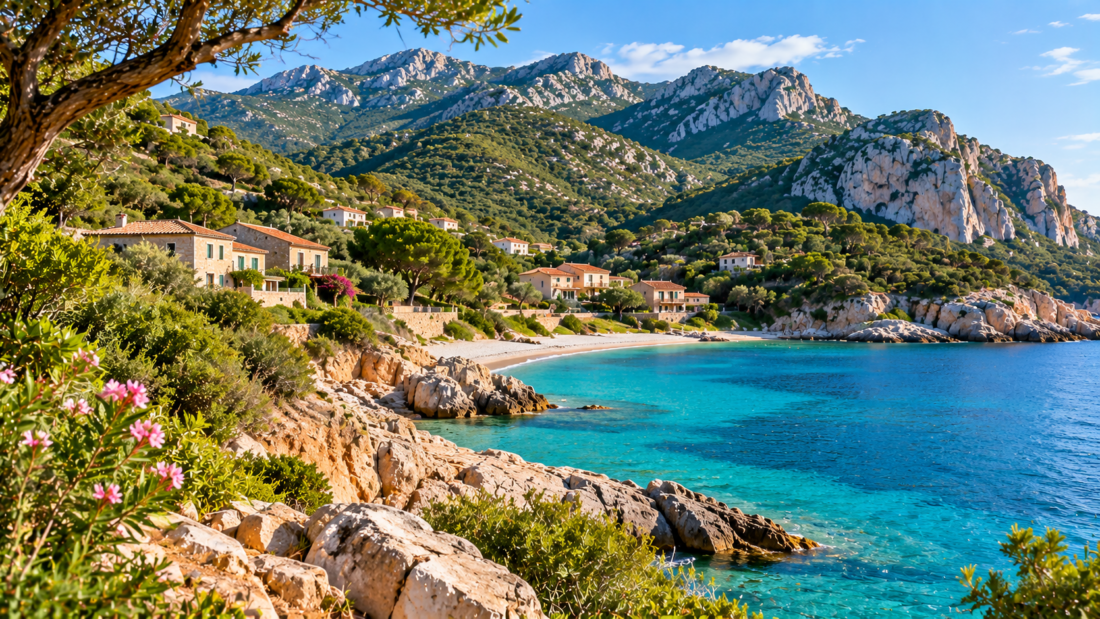
What’s Moving the Market
Sardinia’s property market is shaped by a clear contrast between internationally recognized coastal destinations and the island’s more affordable inland communities. Areas such as the Costa Smeralda benefit from international visibility, luxury tourism, and demand for exclusive properties. In these locations, sea views, proximity to marinas, outdoor space, and privacy can have a substantial influence on asking prices.
Elsewhere, buyers may find a broader range of property types and price points. Historic townhouses, apartments in established residential areas, and traditional rural homes can offer alternatives to premium coastal properties.
Condition is another important consideration. A renovated home may provide greater convenience for an overseas buyer, while a property requiring restoration could offer more flexibility in design. However, renovation costs, local planning requirements, and the availability of qualified contractors should be assessed before making an offer.
For buyers considering rental income, location alone does not determine a property's potential. Seasonal demand, operating expenses, local rules, property management, and access to transport all affect whether a rental strategy is practical.
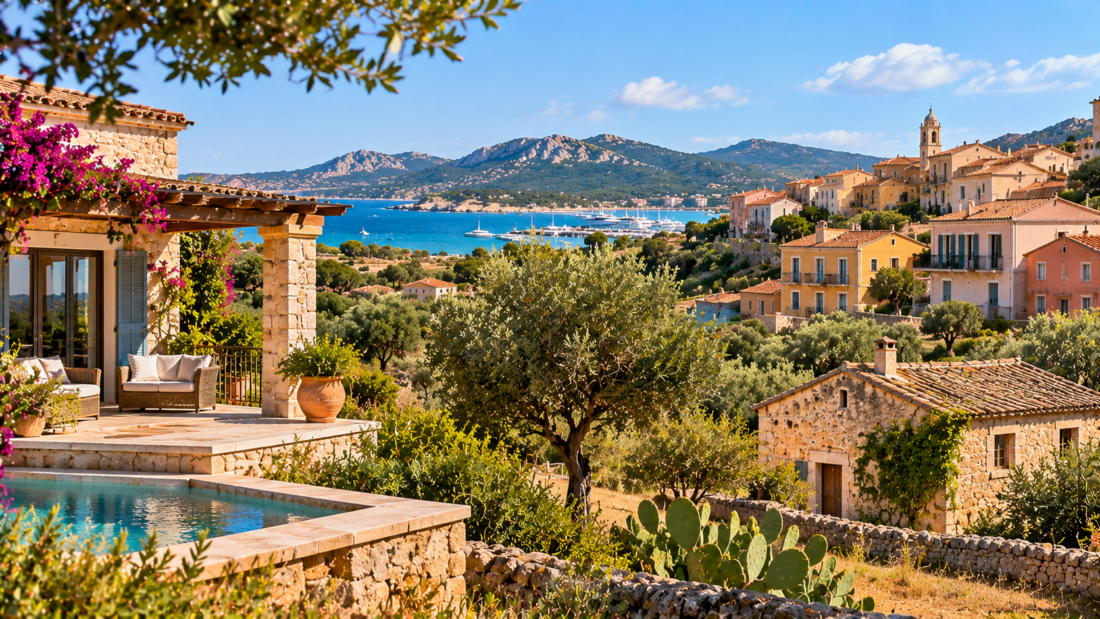
Spotlight: Costa Smeralda and Alghero
Costa Smeralda
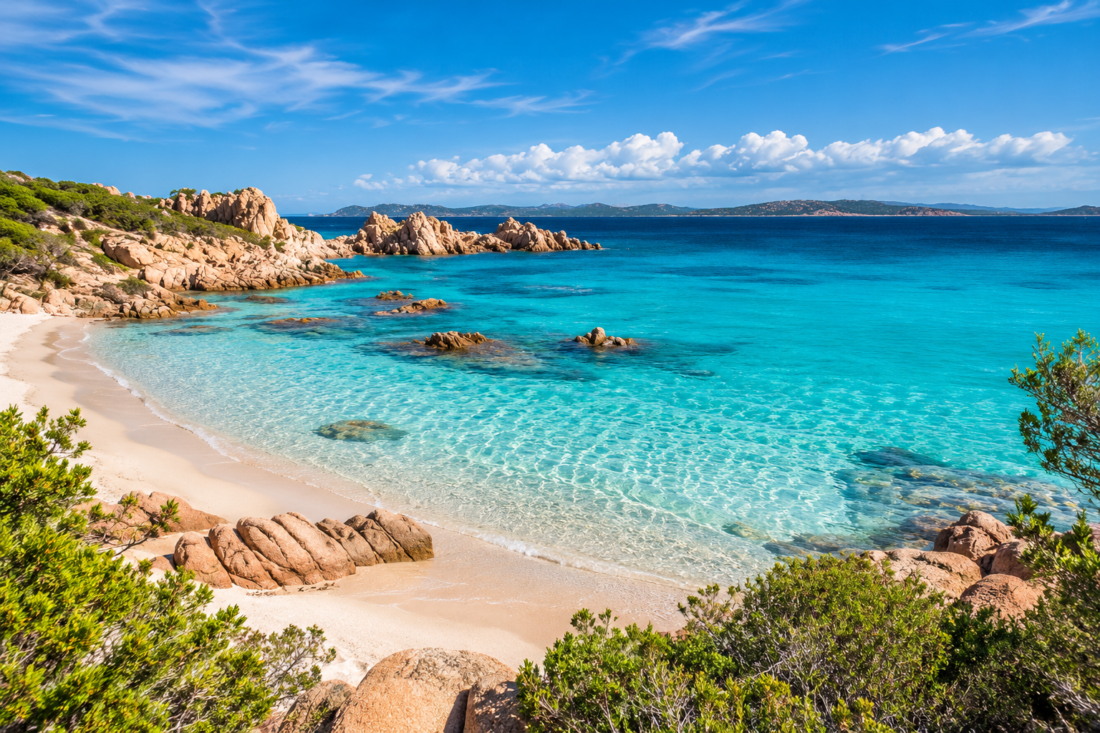
Developed as an upscale coastal destination, the Costa Smeralda is known for its clear waters, marinas, and exclusive residential communities. Porto Cervo serves as a focal point, with luxury homes and apartments attracting buyers seeking a high-end Mediterranean retreat.
The area may suit buyers prioritizing boating, resort amenities, privacy, and an established international property market. However, purchase prices and ongoing ownership costs can be substantial. Buyers should also consider how seasonal activity affects the experience of owning a home there throughout the year.
Alghero
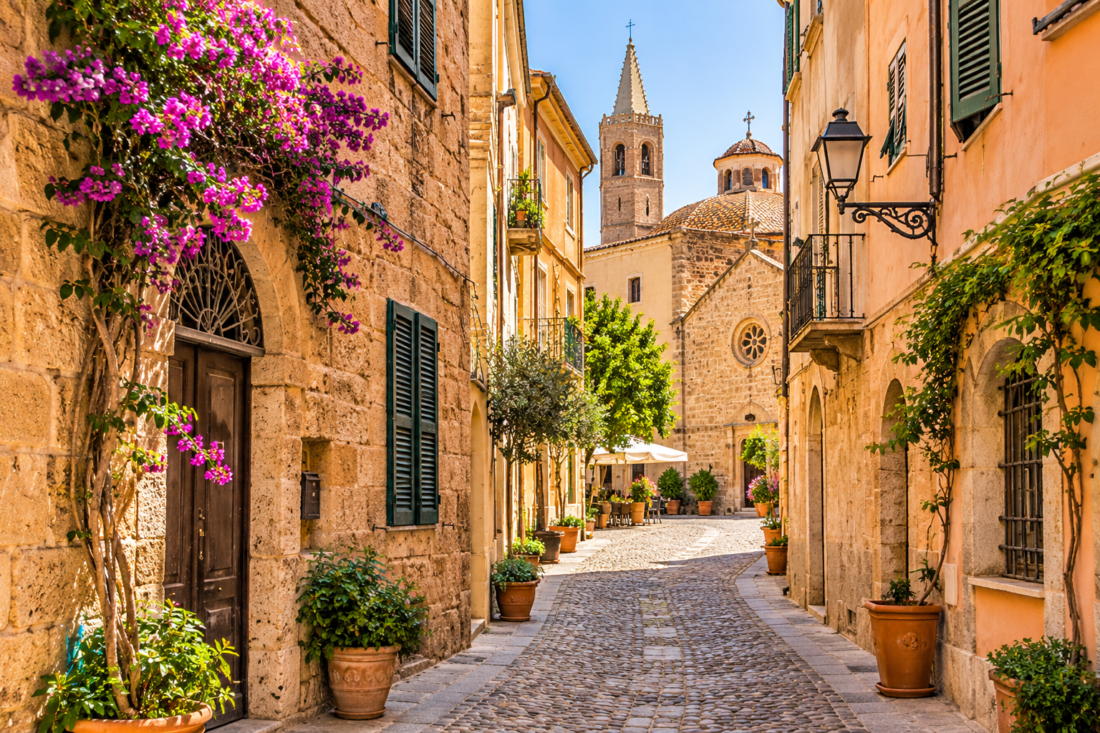
Alghero offers a different balance of coastal living, history, and everyday convenience. Its medieval streets, waterfront promenades, restaurants, and cultural identity give the town a distinctive character, while the nearby airport helps connect residents with other destinations.
Buyers can explore apartments in the historic center, homes in residential neighborhoods, and properties closer to the coast. Alghero may be particularly appealing to those who want access to beaches and a lively town without focusing exclusively on the luxury resort market.
Visiting properties in person is an important part of finding the right home in Sardinia, allowing you to evaluate the property's condition, surrounding area, accessibility, and proximity to local amenities. Read our guide to visiting properties in Italy for tips on what to look for during property viewings.
Lifestyle and Attractions
Sardinia’s appeal extends beyond its beaches. The island has a strong culinary identity, traditional festivals, archaeological sites, and a landscape that ranges from coastal plains to mountainous interior regions.
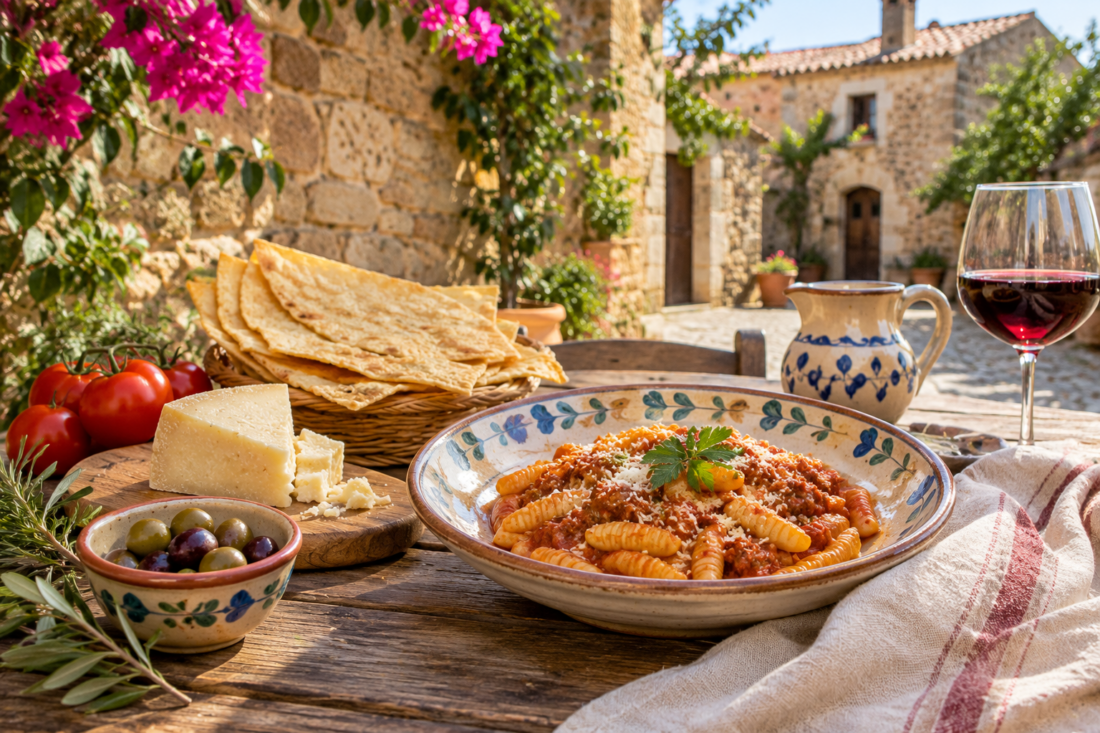
Food and wine are central to local life, with regional specialties reflecting Sardinia’s pastoral traditions and coastal influences. Historic communities preserve local crafts and customs, while outdoor enthusiasts can enjoy hiking, cycling, sailing, and exploring the island’s many beaches and nature areas.
The lifestyle varies by location. Coastal resorts can become lively during the summer and quieter in the winter, while larger towns such as Cagliari and Sassari provide more consistent access to services and activities throughout the year. Buyers planning to live in Sardinia full-time should visit their preferred area in more than one season before deciding where to purchase.
Accessibility and Infrastructure
Sardinia is served by three main airports: Cagliari Elmas in the south, Olbia Costa Smeralda in the northeast, and Alghero in the northwest. Flight routes and schedules vary by season, so buyers who expect to travel frequently should compare connections from their home airport before choosing a location.
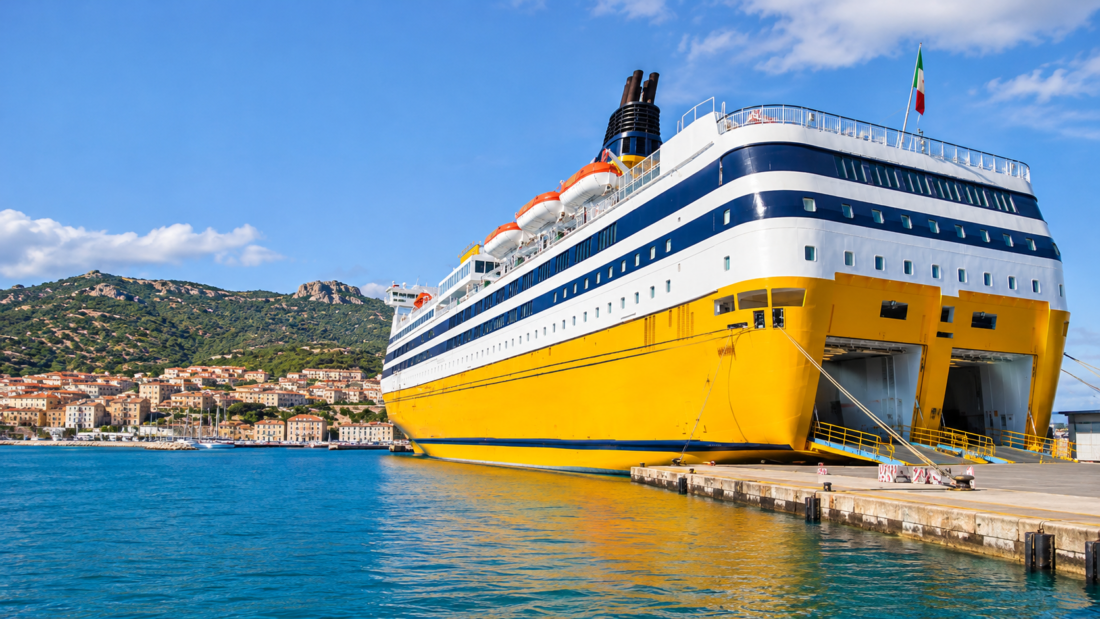
Ferries connect the island with mainland Italy, providing another option for travelers bringing a vehicle or planning longer stays. Within Sardinia, driving is often the most practical way to explore rural areas and reach smaller coastal communities. Public transport is available between major destinations, but services may be more limited in remote areas.
Before purchasing, consider the distance to an airport, grocery stores, medical services, and other facilities you expect to use regularly. A property that feels secluded and peaceful during a holiday may be less convenient for year-round living.
For American buyers planning to purchase property in Sardinia, obtaining an Italian tax identification number (codice fiscale) is an important early step. Read our guide to getting a codice fiscale to learn how to apply and what documentation you may need.
Finding Your Place in Sardinia
Sardinia offers a wide range of opportunities, from luxury coastal homes in the northeast to historic properties in Alghero, year-round residences in Cagliari, and quieter homes in inland communities. The right location depends on your priorities, budget, travel needs, and plans for the property.
Buyers focused on luxury amenities and international resort appeal may gravitate toward the Costa Smeralda, while those seeking a balance of coastal living and everyday services may prefer Cagliari or Alghero. Oristano, Nuoro, and other inland areas offer alternatives for buyers who value space, local culture, and a slower pace.
The most successful property searches begin with a clear understanding of how you intend to use the home and what ownership will involve beyond the purchase itself. With the right preparation, Sardinia can offer a rewarding opportunity to establish a home in one of the Mediterranean’s most distinctive regions.