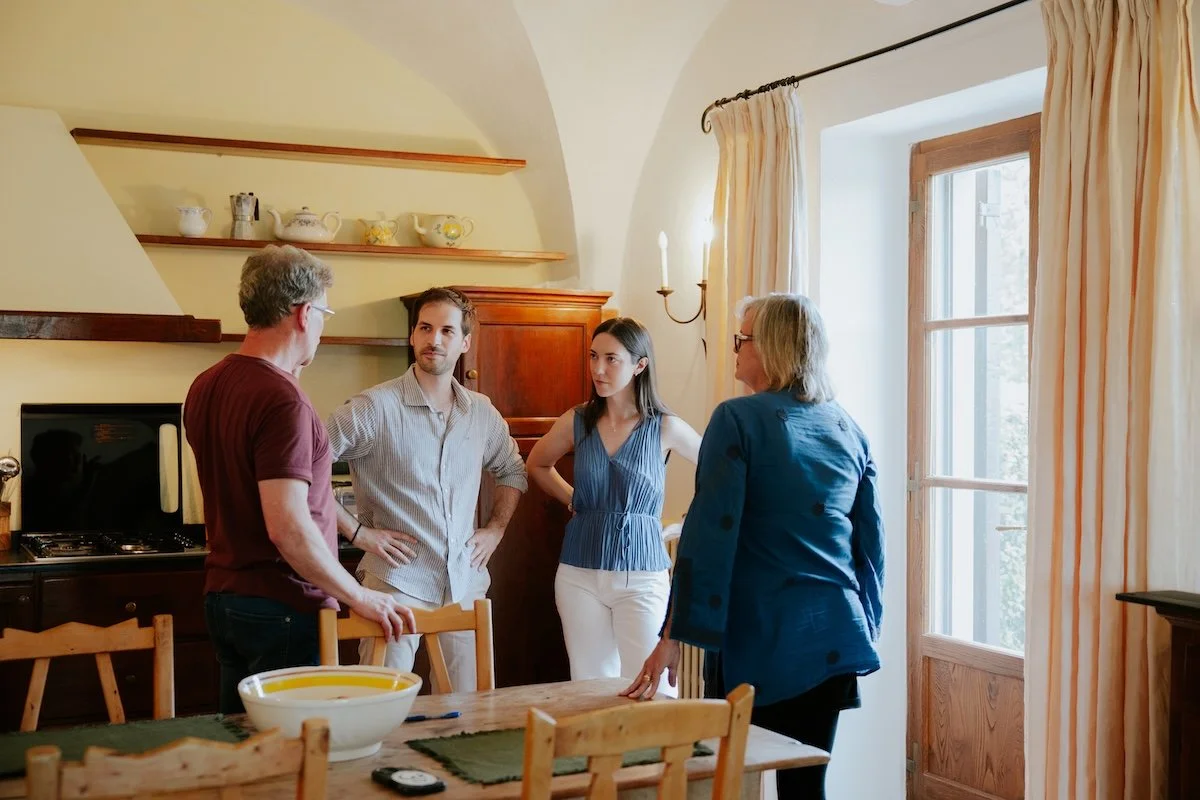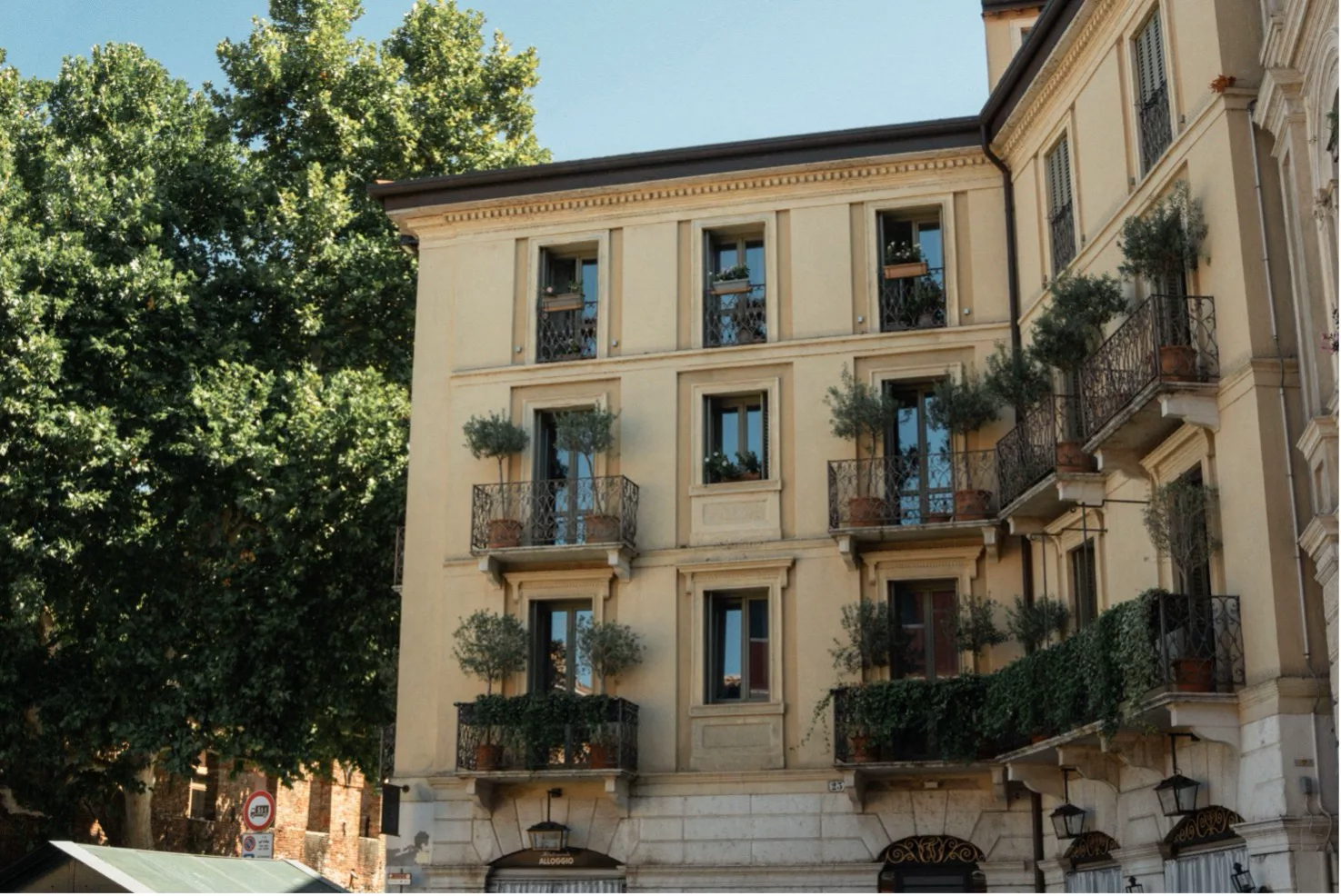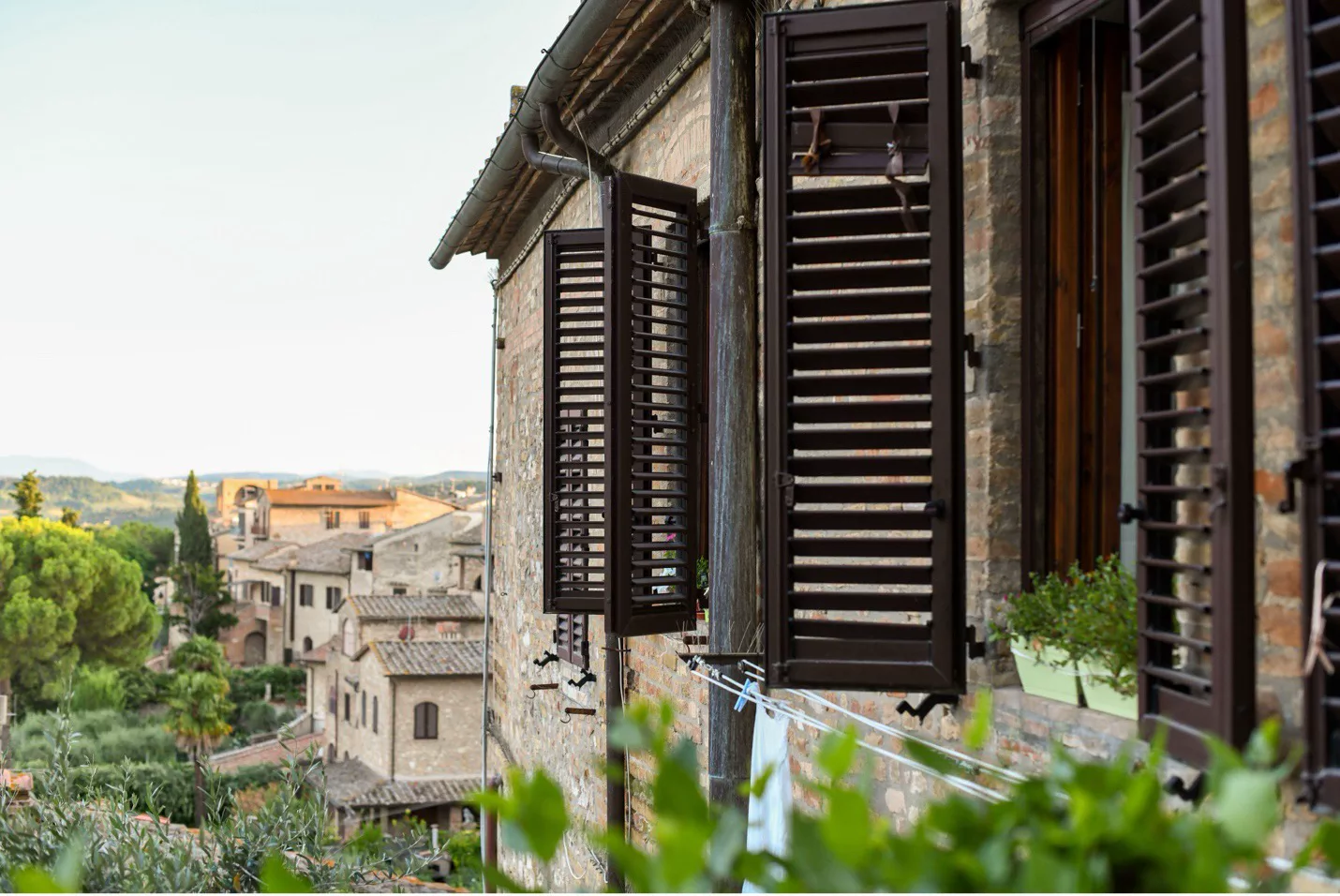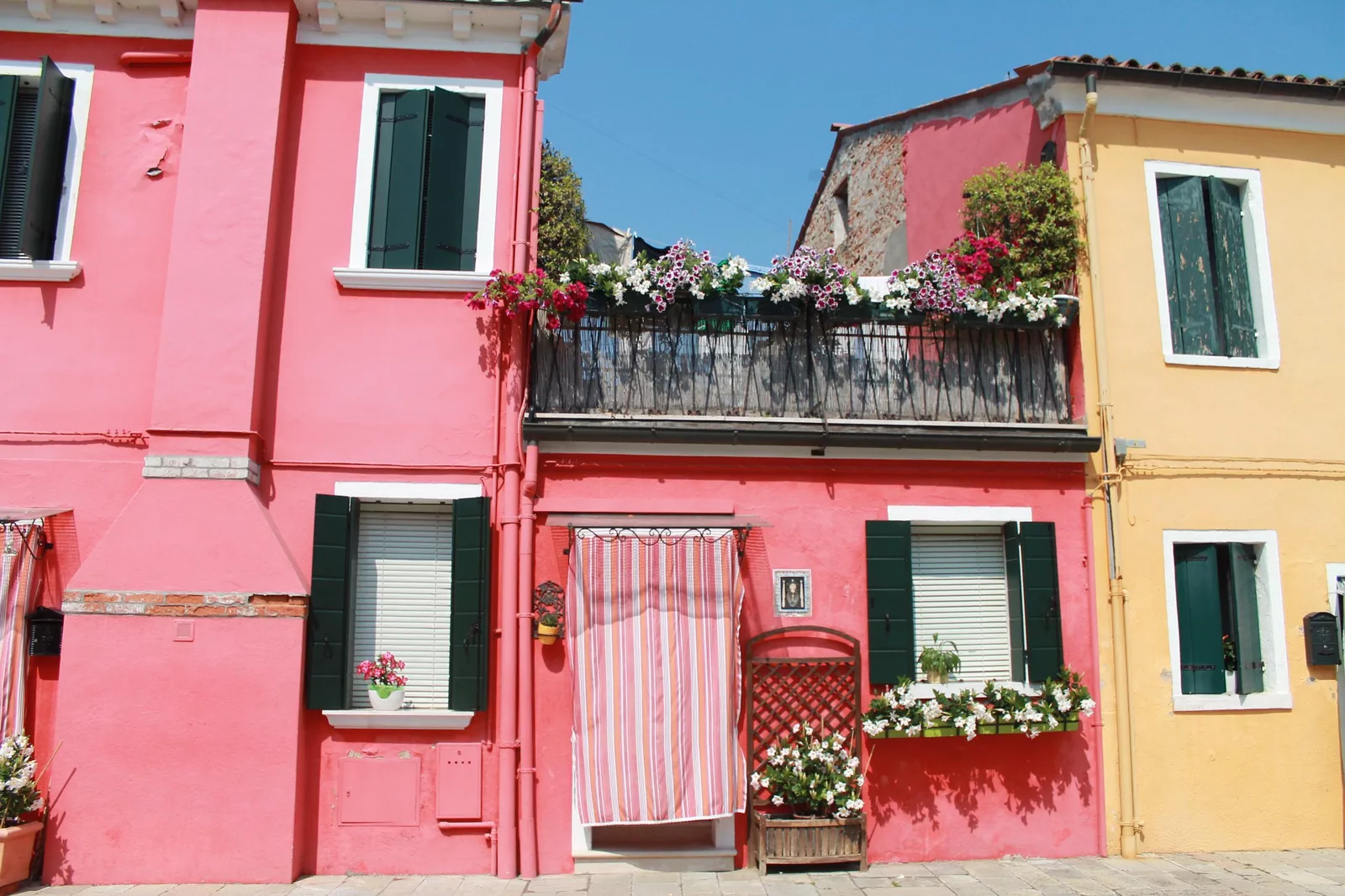
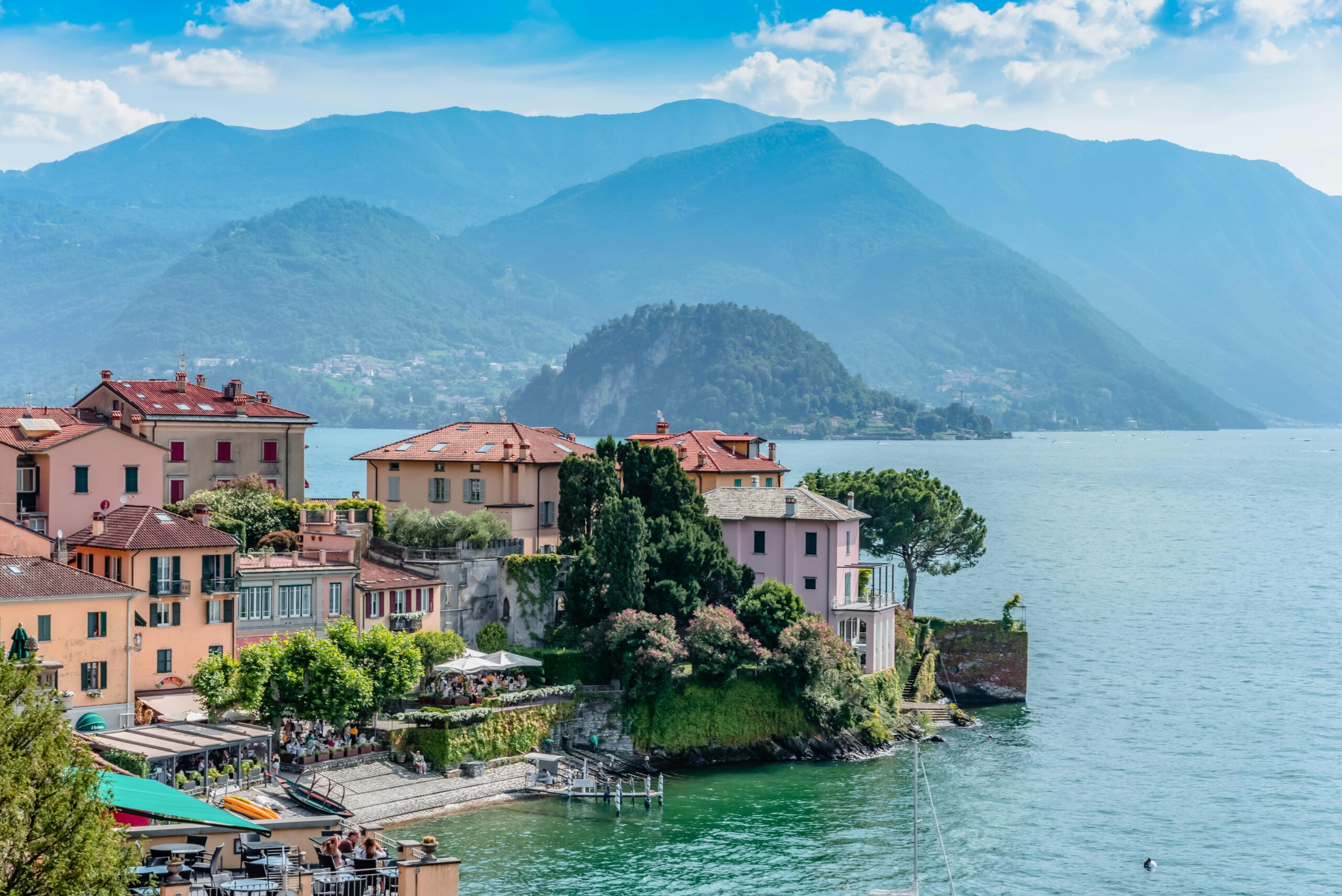
Renovating property in Italy is a dream for many—and with good reason. From rustic farmhouses in Tuscany to elegant villas on Lake Como, Italian homes offer history, beauty, and timeless architecture.
But once you’ve found your perfect property, the renovation process begins—and choosing the right builder (impresa edile) is crucial. Hiring contractors in Italy isn’t quite the same as it is elsewhere. Here are 5 uniquely Italian considerations to keep in mind when selecting a builder for your renovation project:
1. Know the Builder’s Legal Status and Certifications
In Italy, builders must be registered with the Chamber of Commerce (Camera di Commercio) and hold specific professional certifications. Ask if they are registered with the Albo Artigiani (skilled trades’ register) and whether they comply with INPS and INAIL obligations for social security and insurance. These details aren’t just red tape—they’re required to ensure the workers are insured and that you, as the property owner, aren’t held liable for workplace accidents or unpaid taxes.
2. Check if the Builder Understands Italian Historic Preservation Laws
Many properties in Italy, even those that seem like modest country homes, fall under heritage protections (vincoli paesaggistici or vincoli storici). Builders must know how to work within the guidelines set by the Soprintendenza, the governmental body that oversees historic properties.
Not all contractors are familiar with these complex requirements, which can delay your project or result in costly legal trouble. Always ask if your builder has experience working on vincolato (restricted) properties.
Check out this Q&A with a local Italian Home Renovation Expert to get more of your questions answered.
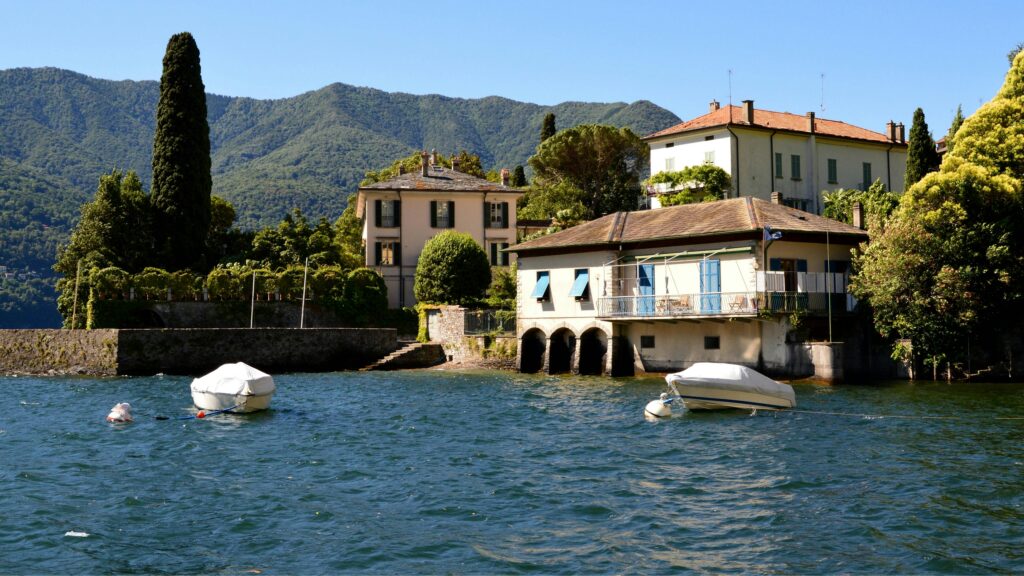
3. Understand the Builder’s Relationship with the Geometra
In Italy, permits and approvals are handled at the comune level, and the process varies significantly from town to town. While builders focus on construction, a geometra (licensed surveyor/technical professional) typically acts as the project manager, navigating bureaucracy and securing necessary permits like the SCIA (Segnalazione Certificata di Inizio Attività) or CILA (Comunicazione Inizio Lavori Asseverata).
A builder who regularly works with a trusted geometra in your property’s area ensures smoother approvals and faster problem-solving—especially when unexpected issues require quick adjustments. Their seamless collaboration is critical to avoiding delays.
Read one of our other articles titled, “5 Questions to Ask Your Geometra Before Hiring Them.”
4. Clarify Who Will Handle Tax Incentives and Paperwork
Italy’s generous renovation incentives—such as superbonus, Bonus Ristrutturazioni, and Ecobonus—require meticulous documentation and filings. Builders rely on geometri (often in partnership with accountants) to manage the asseverazioni and digital submissions needed to claim these benefits.
Before signing a contract, confirm whether your builder’s team includes a geometra to oversee the process or if you’ll need to hire one separately. Since the geometra handles the red tape—not the builder—their expertise is essential for unlocking incentives and keeping your project compliant.
5. Ensure the Builder is Familiar with Italian Construction Materials and Sourcing
Italian renovation work often involves region-specific materials, such as pietra leccese in Puglia or cotto tiles in Umbria—some of which may have structural implications. A civil engineer (ingegnere civile) should be consulted to assess load-bearing elements, especially when working with traditional masonry, timber beams, or eco-friendly materials like bioedilizia (sustainable construction).
Builders with experience sourcing local materials or collaborating with Italian artisans—muratori (masons), fabbri (blacksmiths), or falegnami (carpenters)—can better preserve your home’s authenticity while ensuring structural integrity. Confirm whether your team includes (or can recommend) an engineer alongside skilled tradespeople.
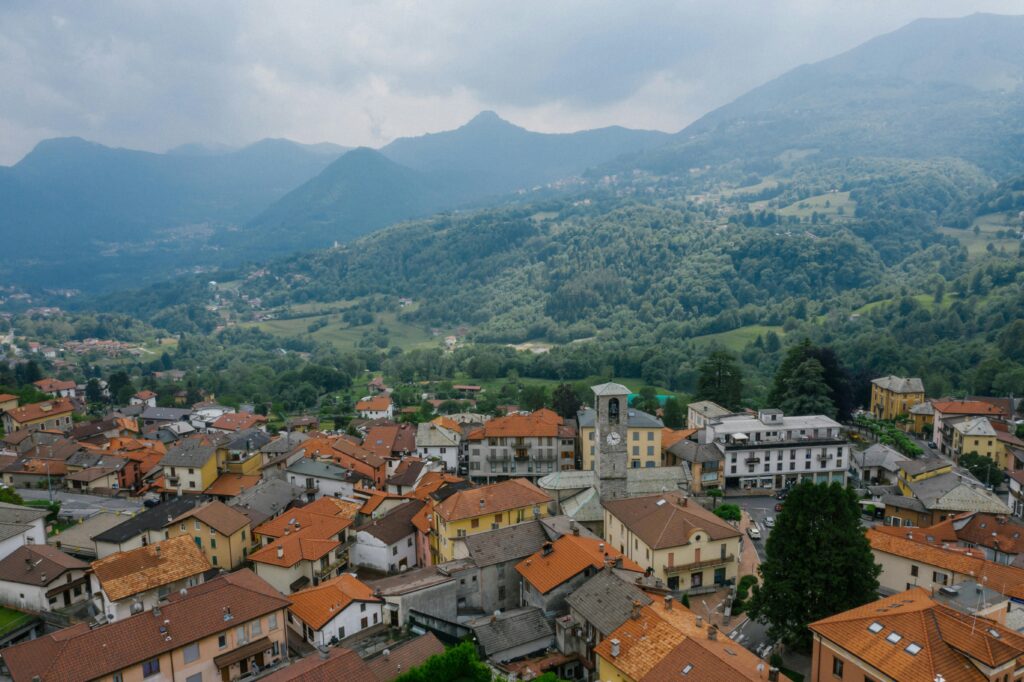
Final Thoughts
Hiring a builder in Italy isn’t just about finding someone with a good reputation—it’s about choosing a partner who understands the unique legal, cultural, and architectural landscape of the country.