
Buying property in Italy is an exciting step for international buyers—whether you are investing, relocating, or building a long-term connection with the country. While most buyers purchase Italian real estate as individuals, some choose to buy through a foreign company instead. In specific situations, this approach can be strategically sound, but it also introduces additional layers of complexity and cost that should be carefully evaluated.
Understanding when corporate ownership is appropriate, how Italian law treats foreign companies, and what practical considerations are involved can help you make a confident and informed decision before moving forward.
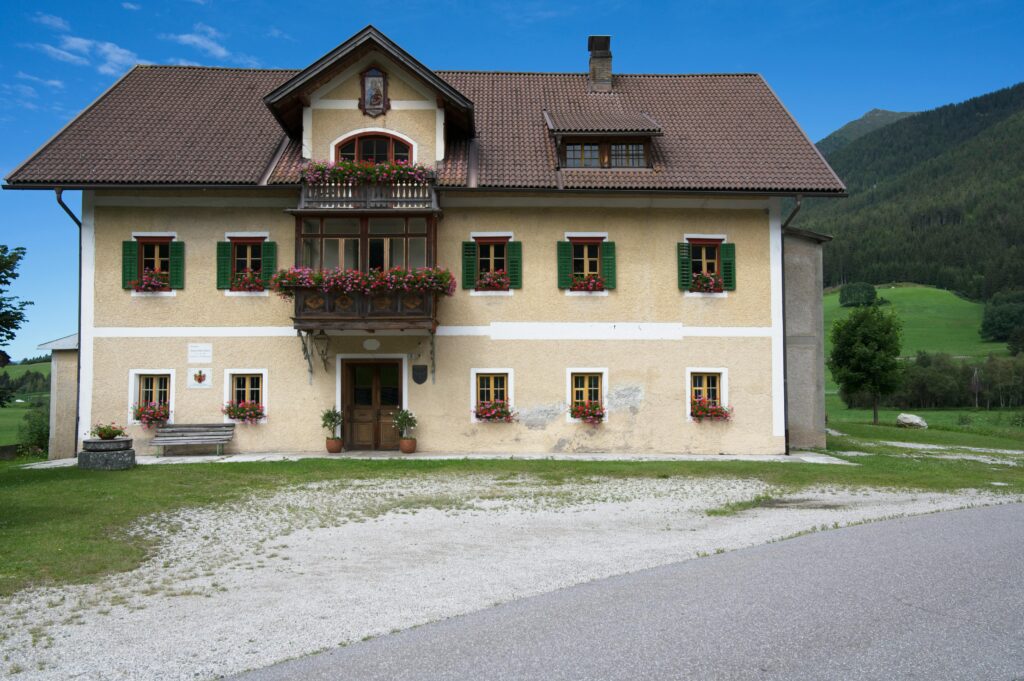
Can a Foreign Company Buy Property in Italy?
In many cases, yes. Italy allows foreign legal entities to purchase real estate, provided the buyer meets basic administrative and legal requirements. The country generally applies a principle of reciprocity, meaning foreign entities may buy property if Italian entities are permitted to do the same in the buyer’s home country.
From a practical standpoint, this means a foreign company must:
- Obtain an Italian tax code (Codice Fiscale)
- Comply with Italian notarial and registration requirements
- Follow Italian tax and reporting rules related to property ownership
The process is legal and well-established, but it requires careful coordination between legal, tax, and real estate professionals. The work of a Notaio will likely be necessary if you intend to proceed with the corporate route.
Why Buy Italian Property through a Foreign Company?
There are several reasons buyers opt for a corporate structure rather than purchasing property in their personal name.
a. Investment and Rental Strategy
If the property is intended for rental income, hospitality use, or portfolio expansion, owning through a company can simplify accounting, income tracking, and long-term planning—especially when multiple properties are involved.
b. Liability and Asset Structuring
Some buyers prefer a company structure to separate personal assets from investment property, particularly when dealing with tenants, renovations, or commercial use.
c. Succession and Estate Planning
For international families with cross-border interests, corporate ownership can offer a flexible way to manage succession and inheritance planning, reducing the need for direct personal transfers of Italian real estate.
d. Tax Planning Opportunities
In certain scenarios—most notably commercial or income-producing transactions—a company structure may offer organizational or tax efficiencies.
However, it is important to note that for residential properties held for personal or lifestyle use, buying through a company often results in higher overall taxation. Corporate owners do not benefit from the reduced registration taxes and incentives available to individuals, and ongoing taxation may also be less favourable.
Whether a company structure is advantageous depends heavily on:
- The buyer’s country of residence
- How the property will be used
- The company’s legal and tax structure
While official information is published by the Italian Revenue Agency (Agenzia delle Entrate), interpreting how these rules apply to an individual buyer’s situation often requires professional tax advice.

Important Considerations
Buying through a foreign company is not always the best option. Before proceeding, buyers should carefully evaluate the following:
Corporate Tax Exposure
Italian authorities assess where a company is effectively managed. If a foreign company is considered to be managed from Italy, it may be treated as an Italian tax resident—bringing additional obligations and potential risks if not planned correctly.
Administrative Complexity
Corporate purchases involve more paperwork, ongoing compliance, and professional oversight. Even if the company does not actively operate in Italy, ownership alone can trigger reporting and filing requirements.
Costs vs. Benefits
For buyers purchasing a single vacation home or personal residence, corporate ownership may add costs without providing meaningful benefits. In many cases, individual ownership is simpler and more cost-effective.

How the Process Typically Works
While every transaction is unique, buying Italian property through a foreign company usually follows these steps:
- Confirm the foreign company’s legal status and eligibility to purchase property in Italy;
- Obtain an Italian Codice Fiscale for the company;
- Appoint an Italian-speaking legal representative or grant Power of Attorney for signing;
- Conduct legal and technical due diligence;
- Complete the purchase before an Italian Notaio, who formalizes and registers the deed of sale.
Because corporate transactions involve multiple layers—legal, fiscal, and technical—coordination is essential.
When Buying through a Company Makes Sense
A company structure is often suitable for buyers who:
- Plan to purchase multiple properties;
- Intend to generate considerable rental or commercial income;
- Want a structured approach to asset management or succession planning.
For buyers focused on lifestyle purchases—such as a single home for personal use—individual ownership is often the more straightforward path.
Buying Property in Italy: Individual vs. Foreign Company Ownership
| CONSIDERATION | INDIVIDUAL OWNERSHIP | FOREIGN COMPANY OWNERSHIP |
| Best For | Primary residences, vacation homes, lifestyle buyers | Investors, rental portfolios, commercial use |
| Setup Complexity | Low | Moderate to high |
| Ongoing Administration | Minimal | Ongoing accounting, filings, and compliance |
| Purchase Costs | Generally lower | Often higher due to legal and tax structuring |
| Tax Treatment | Personal income and property taxes | Corporate tax rules may apply |
| Rental Income Management | Simpler for occasional rentals | More structured for frequent or commercial rentals |
| Liability Protection | Personal exposure | Potential separation between personal and property assets |
| Succession / Estate Planning | Direct inheritance rules apply | Can offer more flexibility across jurisdictions |
| Regulatory Oversight | Straightforward | Increased scrutiny of management and tax residency |
| Ideal Buyer Profile | Individuals buying one property for personal use | Buyers with long-term investment or multi-property strategies |
The Bottom Line
Buying property in Italy through a foreign company is entirely possible and, in the right circumstances, strategically sound. However, it is not a one-size-fits-all solution—particularly for residential properties intended for personal use, where corporate ownership often results in higher taxation and increased administrative burden.
Working with professionals who understand both Italian real estate and cross-border tax structures is key. If you would like tailored guidance on whether a company structure makes sense for your situation, you can contact us at [email protected] to access specialist advice and ensure your approach aligns with your long-term goals.